

Manta: A Strategic Port Driving National Trade Development
The global economy thrives on connectivity, and ports play a pivotal role in facilitating international trade. Among these strategic ports, Manta stands out as a key player in driving the economic development of its nation. Situated along the picturesque coast of Ecuador, Manta's port has become a beacon of progress, fostering trade, commerce, and growth on both local and national scales.
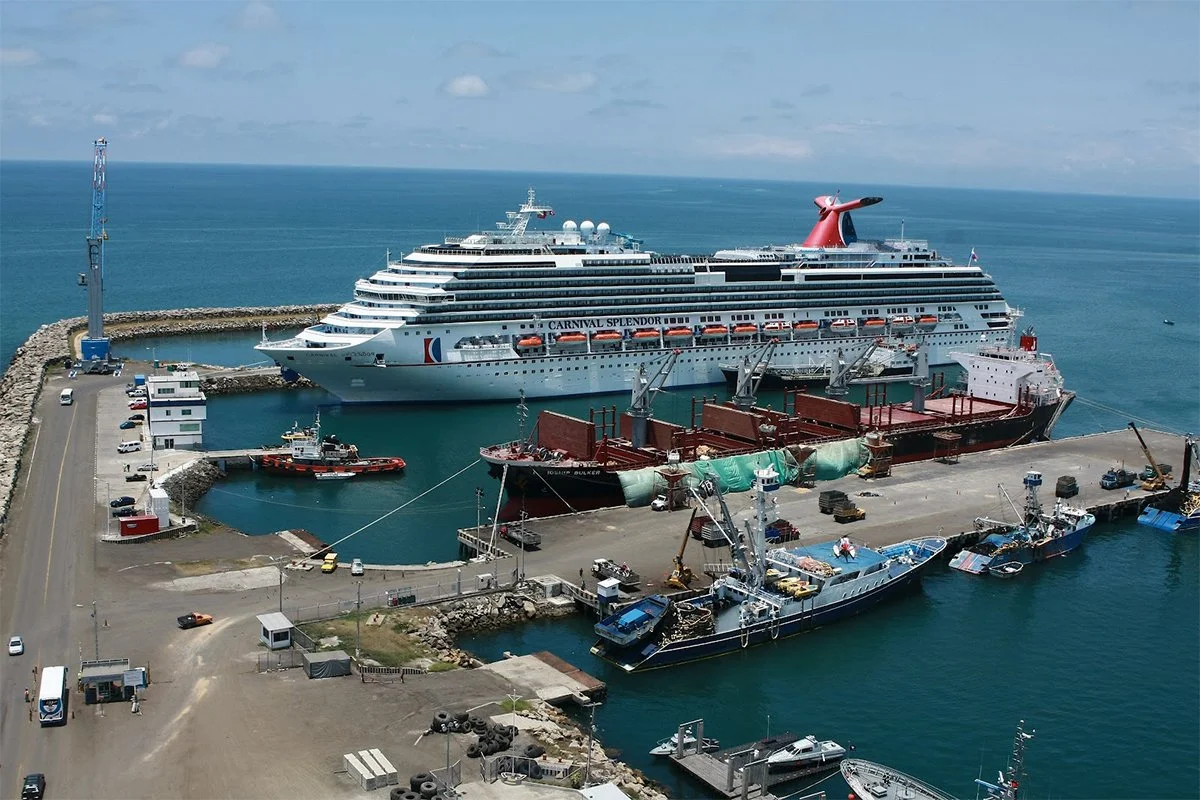
The Fishing and Coastal Terminal of the port of Manta offers berthing services to fishing vessels, whether artisanal or industrial.
Gateway to the World
Manta's port, nestled between the vast Pacific Ocean and the lush landscapes of Ecuador, has earned its reputation as a gateway to the world. With its strategic location, it provides a natural link between South America and the rest of the globe. This makes Manta an ideal transshipment point, where goods can flow seamlessly between ships from various corners of the world, creating a dynamic exchange that boosts the economy.
Strategic Advantages
Manta's role as a commerce hub isn't solely due to its geographic location—it also boasts several strategic advantages that contribute to its success:
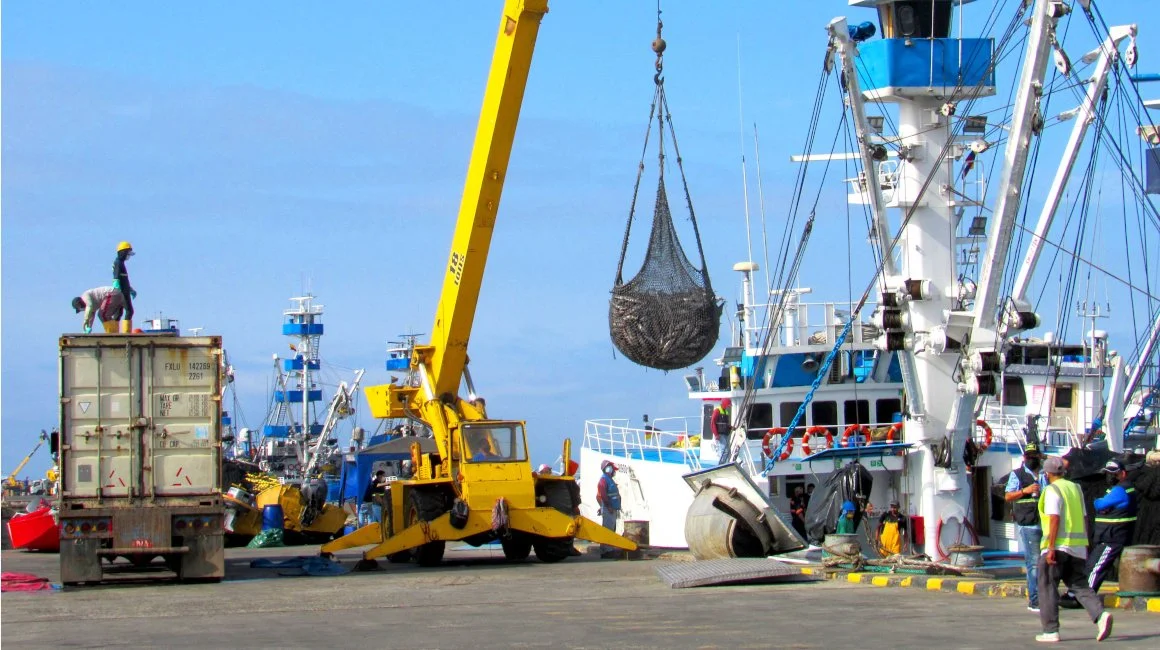
Through the international docks, it has experienced significant growth in cargo volumes.
Deep Natural Harbor: Manta's deep and sheltered harbor allows it to accommodate large vessels with ease. This advantage reduces the need for extensive dredging and infrastructure modifications, making the port efficient and cost-effective.
Connectivity: Manta's port is seamlessly connected to major highways and railways, ensuring efficient transportation of goods to and from the port. This connectivity extends its influence beyond its immediate coastal vicinity.
Free Trade Zones: The region surrounding Manta's port includes free trade zones that provide incentives for international trade. These zones attract businesses looking to take advantage of favorable trade conditions, further stimulating economic activity.
Diversified Facilities: Manta's port isn't limited to container shipping. It accommodates various types of cargo, including bulk commodities, automobiles, and perishable goods. This versatility positions Manta as a comprehensive trade hub.
Catalyst for National Growth
Manta's port serves as more than just a conduit for goods—it's a catalyst for national growth. The economic impact of the port extends to various sectors:
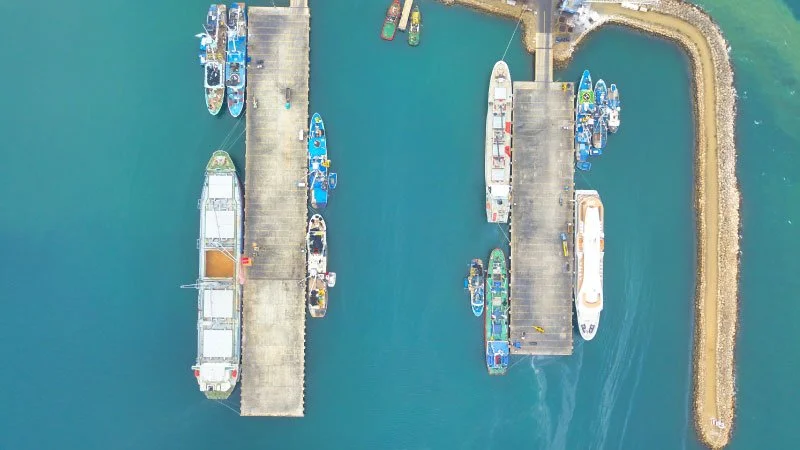
The handling of dry bulk cargo and international fishing are predominant in the port activity of the International Terminal.
Employment: The port generates a significant number of direct and indirect jobs, ranging from dock workers and customs officials to logistics professionals and transportation providers.
Industrialization: The availability of efficient transportation options and trade incentives encourages the establishment of manufacturing and processing facilities in the region, boosting industrialization.
Infrastructure Development: The growth of the port drives investments in infrastructure development, such as roadways, railways, and warehousing facilities. This enhances the overall connectivity of the region.
Tourism: As the port attracts international attention and trade, it indirectly boosts tourism by increasing the visibility of the area. Tourists often explore the port city and its surroundings, contributing to local economies. Manta's Cruise Terminal also stands as a gateway through which travelers embark on unforgettable journeys. This bustling hub welcomes cruise ships from around the world, acting as the first point of contact for visitors eager to explore the wonders that Manta has to offer. By ensuring seamless disembarkation and embarkation processes, the terminal sets the tone for a positive experience right from the start.
Sustainable Growth and Challenges
While Manta's port offers immense potential, it also faces challenges that require attention. Balancing growth with environmental sustainability is crucial. Measures must be taken to ensure that the port's expansion doesn't harm the delicate marine ecosystem that surrounds it.

The national tuna industry has its strength in the port of Manta.
Moreover, investment in technology and infrastructure is essential to handle the increasing demands of global trade efficiently. Collaborative efforts between government bodies, businesses, and local communities will be integral in addressing these challenges and ensuring sustainable growth.
Manta's port serves as a testament to the power of strategic planning and international connectivity. Its role as a gateway for trade not only propels local and national economies but also fosters a spirit of collaboration and progress. As Manta's port continues to evolve and adapt to the ever-changing landscape of global trade, it will remain a vital force in shaping the economic destiny of its nation.